AI-Driven Power and Utilities Asset Management
Utility Asset Management Software for Generation and Networks
Plan inspections, respond to equipment alerts, and keep crews safe across power plants, substations, and utility networks. The Asset Guardian (TAG) EAM connects work orders, asset health monitoring, IoT data, and mobiMentor AI to help utilities prevent outages and maintain critical infrastructure.




Reduce service disruptions with smarter utility asset management
Utility maintenance teams manage aging infrastructure and critical equipment across power generation sites, substations, distribution networks, and field locations.
TAG brings asset information, inspections, maintenance schedules, and work orders into one connected system. With real-time equipment data and maintenance costs linked to Microsoft Dynamics 365 Business Central, teams can identify potential failures earlier, coordinate maintenance activities, and support regulatory compliance across their operations.
Connect utility asset signals to automated maintenance actions
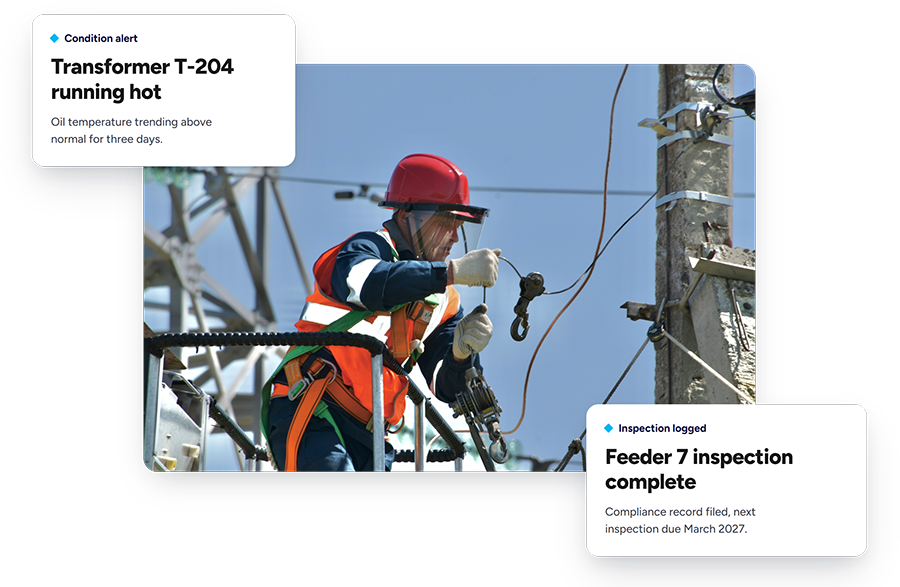
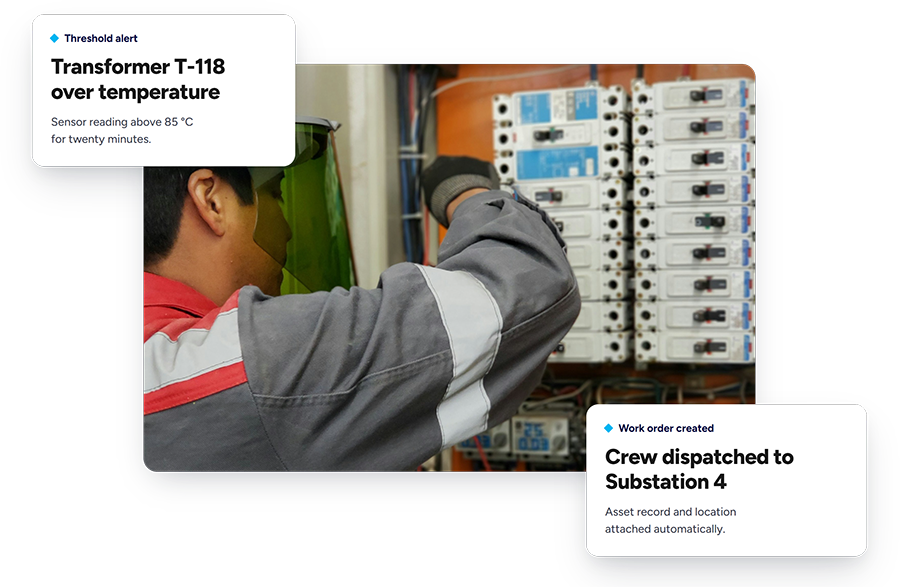
Turn SCADA, IoT, and sensor data into maintenance work orders before equipment issues lead to outages.
TAG Mobi IoT monitors critical assets such as transformers, switchgear, generators, pumps, and substations. When equipment readings exceed defined thresholds, automated rules can trigger alerts or create work orders with the relevant asset information, location, and maintenance requirements.
Give maintenance teams the information they need to investigate issues, prioritize repairs, and reduce unnecessary interventions.
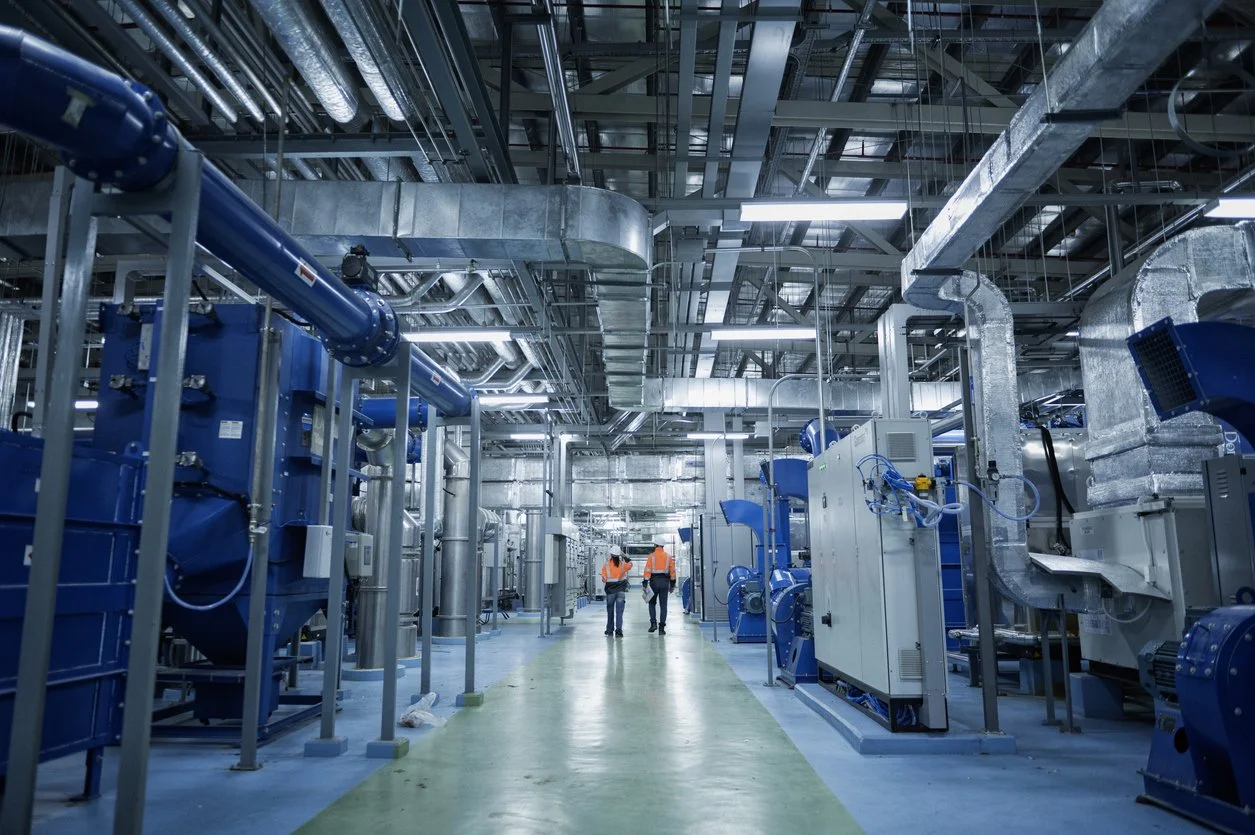
Put AI to work across your industrial operations
Scale faster

Move from pilots to real operational workflows faster by connecting AI to the systems your teams already use.
Protect your company

Keep AI activity controlled with permissions, approvals, policies, and audit trails managed by IT.
Activate industrial data

Bring IoT and SCADA data into AI-powered workflows so signals from equipment and operations can trigger real business action.
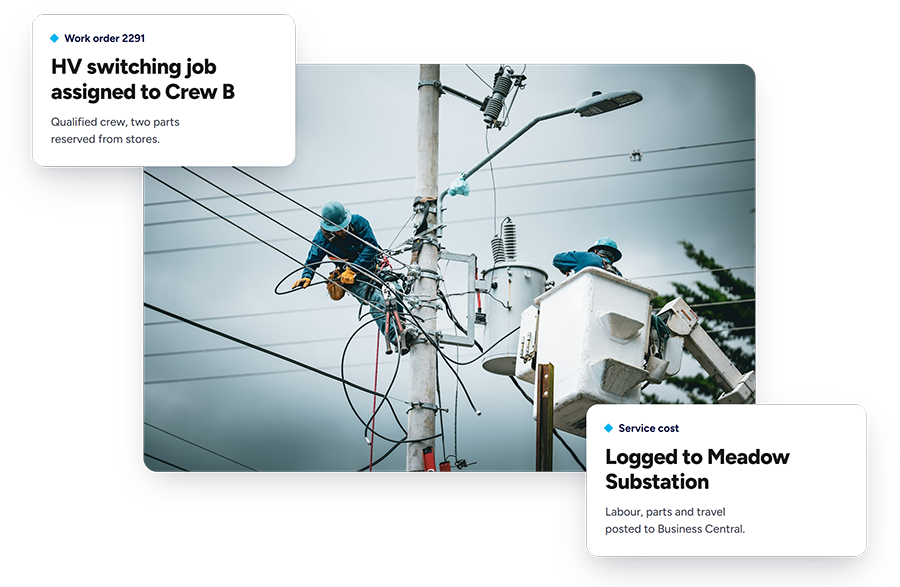
Manage utility maintenance services from one system
Coordinate maintenance activities for customers and service providers across multiple utility sites.
TAG supports service requests, work order planning, technician assignments, and maintenance tracking within one connected system. Assign qualified personnel, manage the parts and tools needed for each job, and monitor work progress to keep service commitments on track.
With maintenance and financial information connected to Business Central, service providers can track the costs associated with maintaining customer assets.
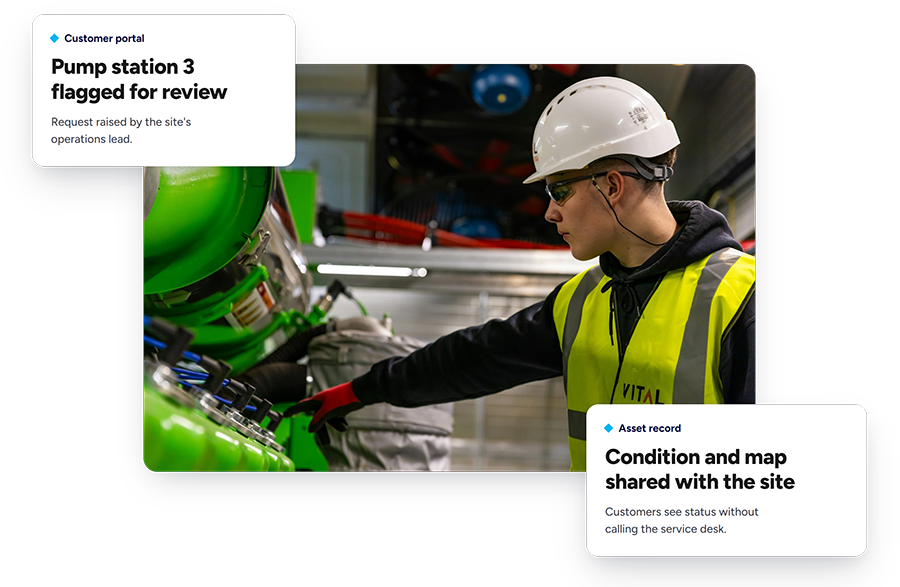
Give customers visibility into their utility assets and maintenance
Provide customers with access to asset information, maintenance requests, and equipment performance through a dedicated web portal.
From electric utility asset management to water utility asset management, TAG helps customers monitor asset conditions, review maintenance KPIs, locate equipment on a map, and submit service requests.
Keep customers informed while giving maintenance teams a centralized way to manage and respond to requests.
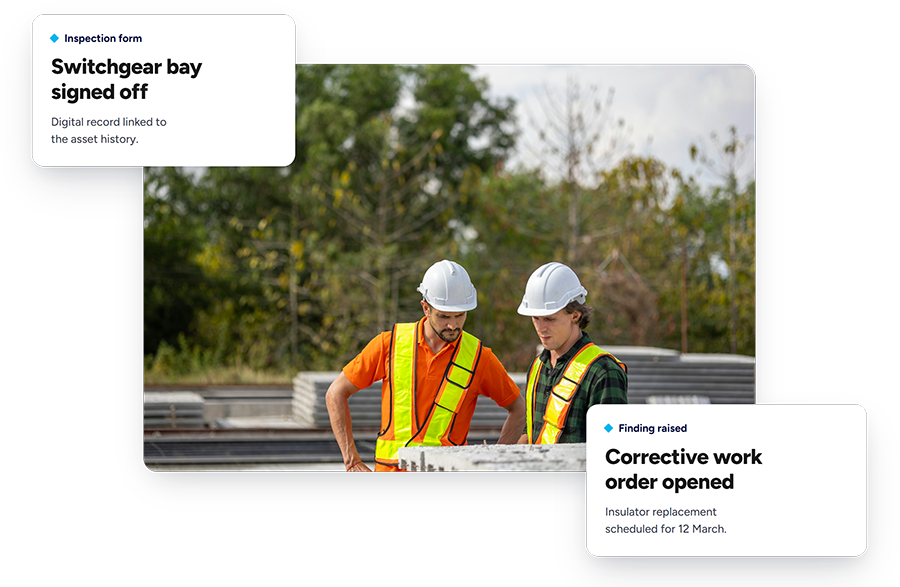
Keep utility inspections organized and audit-ready
Plan, complete, and document inspections across power plants, substations, and critical utility infrastructure.
TAG centralizes inspection schedules, digital forms, reports, and certificates, linking each record directly to the relevant asset. Inspection findings can trigger corrective work orders, helping maintenance teams address issues and maintain complete equipment histories.
Give field crews and maintenance managers access to the inspection records they need for follow-up work, reporting, and compliance reviews.

Learn how to build an effective preventive maintenance strategy
Crush downtime with a 14-step preventive strategy
Expert tips for getting the most out of your maintenance plan
Learn best practices directly from industry experts
Learn more about how The Asset Guardian (TAG) can customize a power and utility asset management solution for your business needs.
Fill out the form to get in contact with an expert today.
Connect IoT signals to predictive maintenance workflows with TAG Mobi
TAG Mobi helps you turn sensor, SCADA, and equipment data into automated maintenance action.
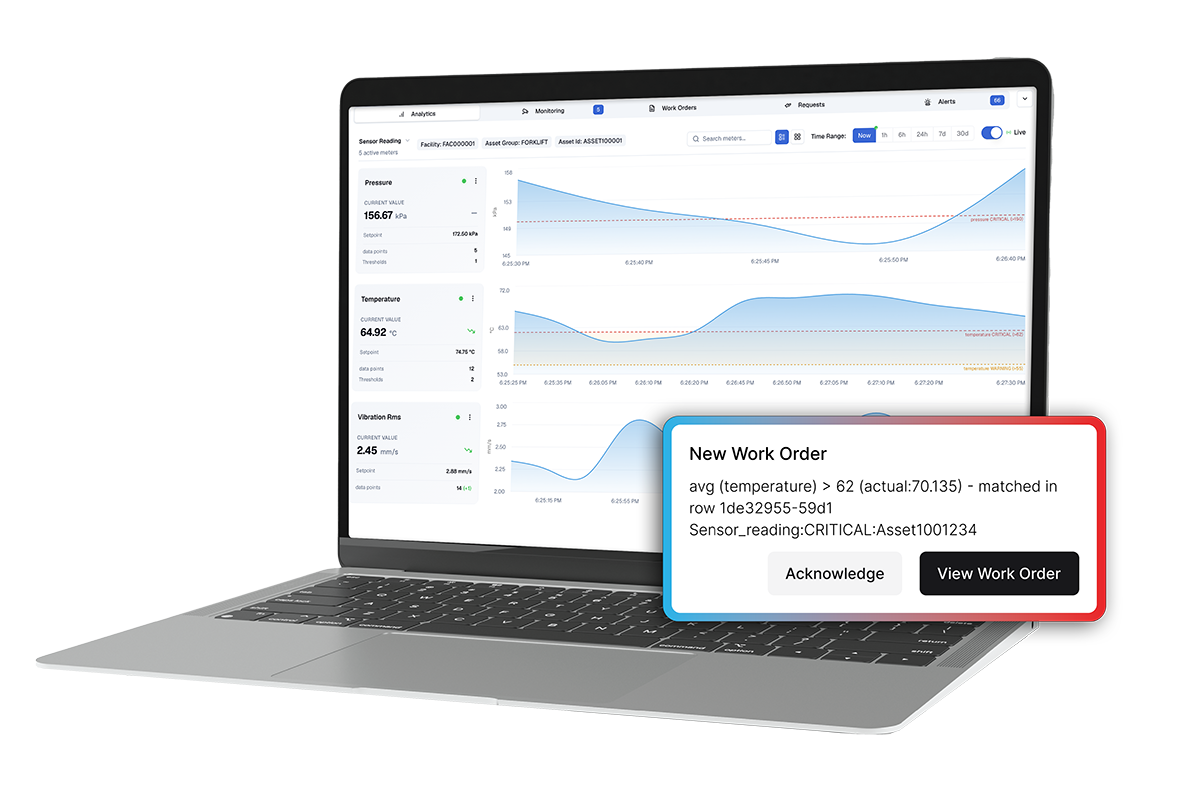
Monitor asset conditions using IoT, SCADA, and industrial control data
Detect abnormal behavior before it becomes downtime
Trigger work orders when asset signals require action
Reduce alert noise with escalation and suppression rules
Connect predictive maintenance activity to asset history, labor, parts, and cost

“The Asset Guardian (TAG) helps us ensure that the machines are running well, that we have parts on hand, and that downtime is significantly reduced.”
Kendrick Horkley
Project Lead at Ready Foods


More industrial AI insights

From maintenance action to enterprise impact
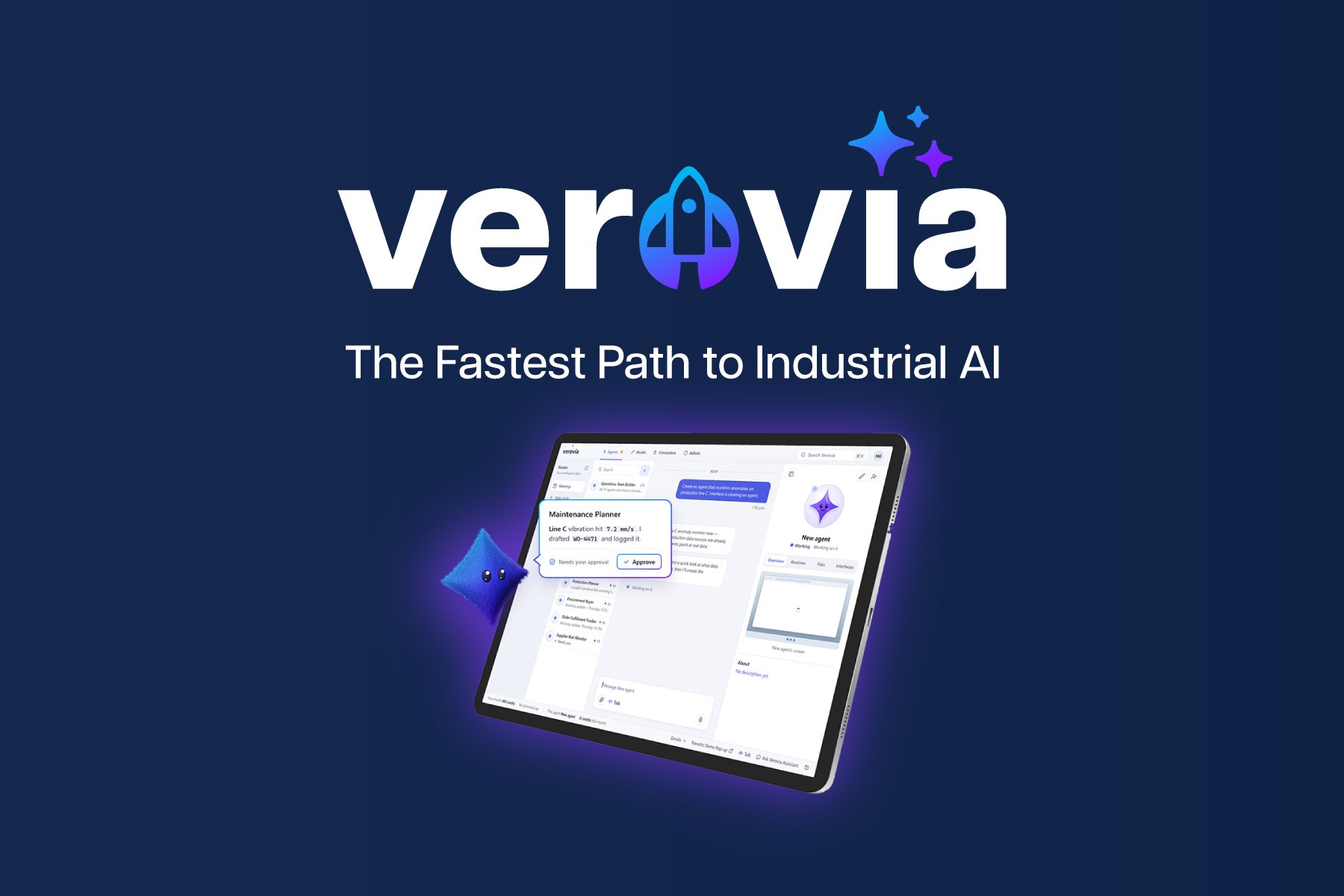
Connect TAG Mobi's asset and maintenance intelligence with Verovia's AI orchestration to turn equipment signals into coordinated action across your business.



Find a Trusted Partner near you
From affiliates to implementors, our partners help businesses optimize operations, cut downtime, and boost performance. Explore our network to leverage their expertise and drive growth.
Ready to prevent downtime with scalable asset management software?
Please describe your project and the product you are interested in.
Frequently Asked Questions
What is utility asset management software?
It is the system utilities use to plan, carry out and record maintenance and inspections on generation, transmission, distribution and water assets. TAG adds IoT alerts, crew safety steps and asset health indexes for capital planning.
Does TAG work for water utilities as well as electric?
Yes. Pumps, treatment equipment and pipe networks are managed like any other asset, with mains handled as linear assets on the GIS map.
Can TAG read SCADA data?
Yes. TAG Mobi IoT ingests SCADA, sensor and connected-device data. Rules turn abnormal readings into alerts or work orders.
Does TAG work with ERPs other than Business Central?
TAG is embedded natively in Microsoft Dynamics 365 Business Central and connects to other ERP systems, such as SAP and Oracle, through its API.
The Asset Guardian (TAG) EAM is trusted by companies worldwide